Smart Home Sensors for Security and Comfort
In this category, you will find smart sensors that enhance the security, comfort, and energy efficiency of your home. Gas and carbon monoxide alarms can save lives, while opening, water, motion, temperature, and humidity sensors continuously monitor the environment.
Our selection includes Extralink Smart Life and Xiaomi Mi solutions, which make everyday life more convenient with smartphone control, alerts, and integration with smart home systems.
- Gas and carbon monoxide detectors for timely alerts to dangerous leaks (e.g., Extralink JKD-808COM).
- Water and flood sensors for early detection of leaks and pipe bursts (Extralink Smart Life water sensor).
- Window and door opening sensors for burglary protection and monitoring of open doors and windows.
- Motion sensors (PIR) for alarm systems, lighting automation, and presence detection.
- Temperature and humidity sensors with LED display or wireless connection for continuous monitoring of indoor climate.
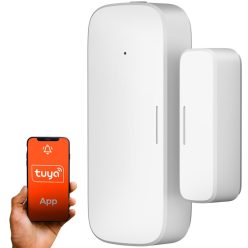
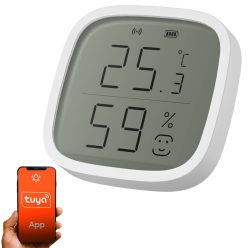
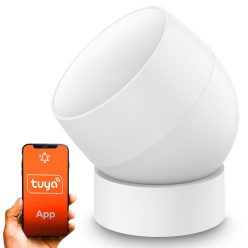

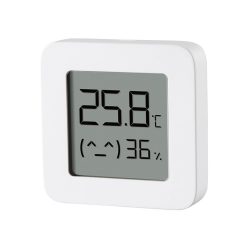
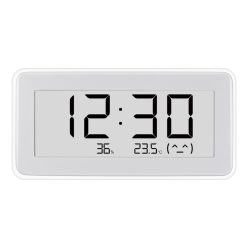
Xiaomi Mi Temperature & Humidity Monitor Pro – wireless temperature and humidity meter – LED display

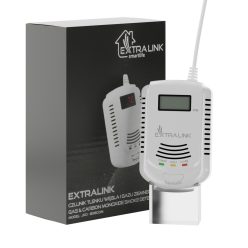
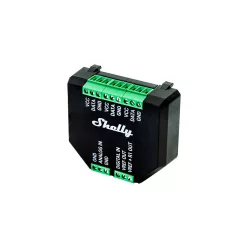

Applications: Security, Protection, Automation
The primary role of the sensors available here is to timely signal dangerous or unwanted conditions and provide data to the smart home hub. Gas and carbon monoxide detectors alert to hidden leaks with a loud alarm (up to 110 dB), while water sensors indicate possible leaks or pipe bursts by detecting moisture on the floor.
Opening and motion sensors are key components of home alarm systems: door and window opening sensors send alerts if unauthorized openings occur or if a door or window is left open. PIR motion sensors are important not only for burglary protection but also for automated lighting and presence detection tasks, such as controlling hallway lights and garden spotlights.
Temperature and humidity sensors – such as the Xiaomi Mi Temperature & Humidity Monitor product line – enable continuous monitoring of indoor climate. These devices transmit data via Bluetooth 5.0 LE or other wireless connections, often displaying current values on an LED screen, and can be integrated into the control of heating, cooling, or humidifying systems.
Technical Considerations for Choosing
Before purchasing, it is worth examining which communication protocol the sensor uses (Bluetooth, Wi-Fi, Zigbee, etc.) and whether it is compatible with the existing smart home system or application (e.g., Smart Life, Xiaomi Home). An important consideration is the power supply: for battery-operated solutions, the expected runtime and battery type, and for network devices, the installation location and security are essential.
For safety-critical devices – such as gas, smoke, or carbon monoxide detectors – the volume of the alarm, certifications, and reliability are particularly important. For environmental sensors, measurement accuracy, update frequency, data logging, and whether the sensor can trigger automations (e.g., notifications, set scenes, turning devices on/off) can be decisive.
Useful Features and Extra Comfort Services
Many models support remote access and smartphone notifications, so you receive immediate alerts even when you are not at home. LED display devices allow for quick, on-site checks, while smart home integration enables sensors to work with other devices to implement complex automations, such as immediate notifications during flood detection, starting a pump, or closing a solenoid valve, as well as signaling window opening and activating ventilation systems in case of high CO levels.