Radios for daily news, music, and work
In this category, you will find radios that are reliable companions at home, in the office, in the workshop, or on the go. From classic desktop devices to portable battery-operated models and modern types with internet connectivity, you can choose from several solutions.
When selecting the right model, not only sound quality and reception capability are important, but also the number of features, the power supply method, and the usage environment. This way, you can easily find a device that perfectly fits your needs for listening to music, consuming news, or working.
- Portable radios – battery-operated or rechargeable, durable design, suitable for outdoor use.
- Desktop radios – for home and office use, with stable reception and easy handling.
- DAB/DAB+ digital devices – offering better sound quality and an expanded channel selection.
- Internet and network radios – for accessing online radio stations, podcasts, and streaming services.
- Built-in or industrial radios – designed for workshops, stores, and special environments.
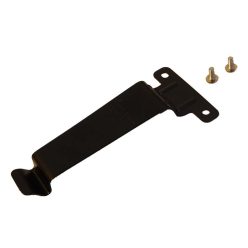
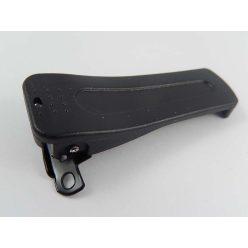
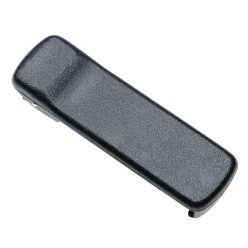
Usage areas: from home to industrial environments
The radios available in this category cover a wide range: from compact, pocket-sized models to more powerful devices intended for workshops or stores. For home use, many seek devices that serve as alarm clocks, news sources, and music players simultaneously. In workplace and industrial environments, a robust housing, good sound pressure, and stable reception are the most important.
Outdoor use – such as on construction sites, in gardens, while fishing, or camping – poses specific requirements. In such cases, a waterproof or dustproof design, a sturdy casing, a strong antenna, and a long-lasting battery or economical battery operation are advantageous.
Technical considerations when choosing a radio
When purchasing a device, it is worth considering several technical parameters. The reception range (FM, AM, DAB/DAB+, or possibly internet sources) determines which broadcasts you can access. The sensitivity of the tuner and the quality of the built-in antenna significantly influence the noise level and the reception of weak signals, which is particularly important in rural or noisy environments.
- Frequency bands: FM/AM, digital DAB/DAB+, and the possibility of accessing online radios.
- Sound power: output power (W), speaker size, mono or stereo design.
- Reception quality: sensitive receiver, noise filtering, appropriate antenna design.
- Power supply: mains, USB, battery-operated, or built-in rechargeable solutions.
- Connectors: headphone output, AUX input, Bluetooth or Wi-Fi connection.
Features that make everyday use easier
Modern radios often come with numerous extra features that enhance convenience and flexibility. Automatic channel scanning, pre-programmable stations, and a well-readable display ensure quick and easy operation. Many models also offer a timer, alarm, sleep timer, and clock function.
For multimedia use, models with Bluetooth or Wi-Fi connectivity, as well as USB and AUX options, can be useful, allowing music playback from smartphones, computers, or network drives. Thus, a well-chosen radio can even serve as a complete music listening center at home or in the workplace.
Ergonomics, durability, and installation considerations
Ergonomics and durability should not be overlooked. A rubberized, non-slip casing, large, tactile buttons, and a contrasting display greatly facilitate use even while wearing gloves or in poor lighting conditions. For industrial environments, it is advisable to choose shock-resistant, highly protected models.
For devices intended for fixed locations, such as kitchens, workshop walls, or vehicles, the possibility of mounting and the method of installation are important. For portable types, weight, size, handle, and solutions for belt clips or hooks are significant. These factors together determine which device best fits the intended use.