Professional Protection for Outdoor WiFi Antennas
The key to the reliability of outdoor wireless networks is to protect the antennas from weather effects, mechanical damage, and icing. Radomes are specially designed enclosures that safeguard sector antennas while minimally affecting signal propagation.
In our online store, you will find solutions compatible with antennas from the most well-known manufacturers, such as the AM-16/120, AM-19/120, and AM-20/90 antennas. These enclosures provide a more stable connection over the long term, lower maintenance requirements, and a more aesthetically pleasing installation.
- Protection of outdoor sector antennas against wind, rain, snow, and ice
- Radome models specifically designed for defined antenna types
- Optimized design that reduces noise and improves signal stability
- More aesthetically pleasing and less obtrusive appearance in residential or business environments
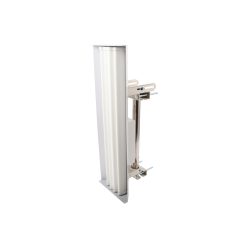
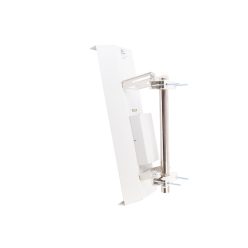
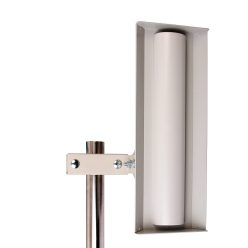
Why is it important to use a radome for outdoor WiFi systems?
Outdoor WiFi networks—whether they are ISP backbone networks, corporate point-to-multipoint connections, or large-scale hotspots—are constantly exposed to the whims of weather. The radome's role is to protect the antenna from rain, snow, ice, UV radiation, and wind-induced loads while ensuring proper radio frequency transparency.
Applications
These enclosures are typically used in locations where stable signal quality and long-term operational reliability are critical:
- Outdoor base stations for internet service providers (WISP, ISP towers)
- Corporate and industrial point-to-multipoint connections
- Urban WiFi, public hotspot, and smart city systems
- Roof antennas for residential, hotel, and university campus networks
Selection Criteria: Size, Beam Angle, Compatibility
When selecting the right radome, compatibility with the antenna is the primary consideration. The Radome AM-16/120, Radome AM-19/120, and Radome AM-20/90 types, for example, have been specifically designed for certain Ubiquiti sector antennas, tailored to their sizes and beam angles.
- Beam angle (e.g., 90° or 120°): must match the antenna's radiation characteristics.
- Size and shape: should fit the antenna precisely, with no gaps or excessive tightness.
- Mounting options: compatible clamps, screws, and brackets for quick installation.
Technical Specifications and Performance
The dielectric properties of the materials used are crucial in the manufacturing of quality radomes. The goal is for the enclosure to cause the least attenuation possible in the 2.4 GHz and 5 GHz bands while resisting UV radiation and temperature fluctuations.
- Low insertion loss at WiFi frequencies
- UV-resistant, weatherproof, and chemical-resistant plastic material
- Mechanical rigidity suitable for wind and ice loads
- A design that reduces reflected noise and wind-induced resonance
Installation, Maintenance, and Long-Term Operation
One of the greatest advantages of radomes is that they reduce the frequency of on-site maintenance: the antenna accumulates less ice and dirt, thus requiring less frequent cleaning or intervention. During installation, precise fitting, proper placement of seals, and tightening of fasteners with the correct torque are essential to ensure that the enclosure remains securely in place even in strong winds over the long term.