Professional WiFi antennas for stable, long-range wireless networks
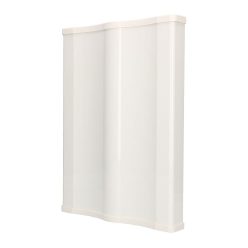
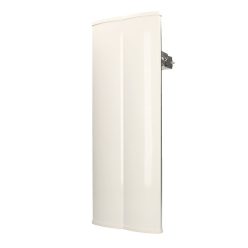
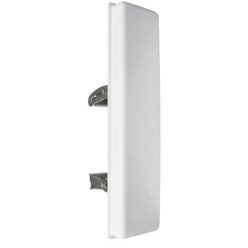
In this category, you will find wireless antennas that can amplify and direct the signal for home, office, or outdoor point-to-multipoint networks. The selection includes sector antennas, MIMO solutions, as well as models optimized for specific Mimosa and Cambium base stations.
With various gain (dBi), beamwidth, and frequency types (2.4 GHz, 5 GHz), you can achieve longer distances, better signal levels, and more stable connections. From compact Gigaeter antennas to high-performance sector solutions from Extralink and Cambium, you will find everything needed for reliable wireless connectivity.
- Sector antennas with 60°–120° beamwidth (e.g., Extralink EXSEC series, Cambium ePMP solutions)
- MIMO 4x4 compatible antennas specifically designed for Mimosa A5C base stations
- 2.4 GHz and 5 GHz solutions with various gain values (13–23 dBi)
- Gigaeter WiFi antennas with MMCX connector, available in compact box and duo designs
- Long-range, outdoor-use weatherproof antennas

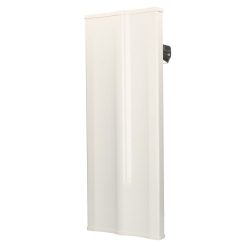
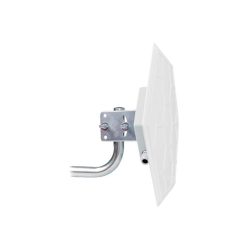
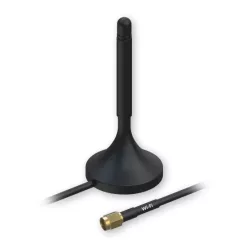
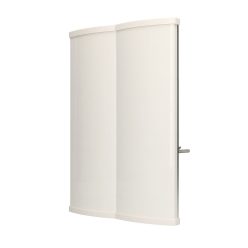



What to consider when choosing a WiFi antenna?
The basis for selecting the right antenna is the network task for which the device is intended. In an office or apartment building environment, the goal is typically to serve multiple clients, in which case sector antennas (such as the Extralink EXSEC15-90 or EXSEC18-90) are excellent for establishing point-to-multipoint connections. For covering villages, industrial parks, or larger outdoor areas, antennas with a 60°–90° beamwidth and higher gain provide a stable signal.
For specialized base stations, such as the Mimosa A5C, it is advisable to choose models specifically designed for them, such as the Extralink EXSEC16-60, EXSEC19-60, or the GigaSector Pro 21/60 HV. These antennas feature optimized MIMO 4x4 designs, offering greater bandwidth and more reliable data transmission when serving many clients simultaneously.
For smaller, targeted connections or to amplify the signal of existing devices, compact Gigaeter antennas (such as Gigaeter Duo 19 or Gigaeter Box 23 MMCX) are a good solution. These models come with an MMCX connector and high gain, making them ideal for supplementing routers, access points, and CPEs when signal strength and directed coverage are the main considerations.
Main technical considerations when choosing a WiFi antenna
Before purchasing, it is worth considering the frequency band used (2.4 GHz or 5 GHz), the gain (dBi), the beamwidth, MIMO support, and the connector type. 2.4 GHz antennas – like the Extralink D-2400-16-120 – generally provide better wall penetration, while 5 GHz models (e.g., Extralink EXSEC series, Gigaeter Duo 19) offer higher bandwidth and less interference.
- Gain (dBi): the higher the gain, the greater the range, but the coverage area may be narrower in the vertical direction.
- Beamwidth: 60°–90° sector antennas provide targeted, concentrated coverage, while near 120° we can cover a larger area with lower gain.
- MIMO support: 2x2 or 4x4 MIMO antennas handle multiple data streams, increasing throughput and connection stability.
- Connector type: MMCX, N-type, or other RF connectors – it is important that it is compatible with the existing radio equipment.
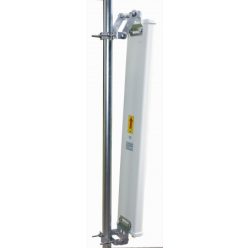
- Outdoor design: weatherproof housing, appropriate mounting kit (e.g., Cambium ePMP 5 GHz 90/120 sector antenna mounting kit) for long-term, secure operation.
For optimal configuration, it is advisable to choose from different antenna types based on the application area, number of clients, and desired bandwidth. This way, the most stable and fastest wireless network can be achieved, whether in a corporate, service provider, or home environment.