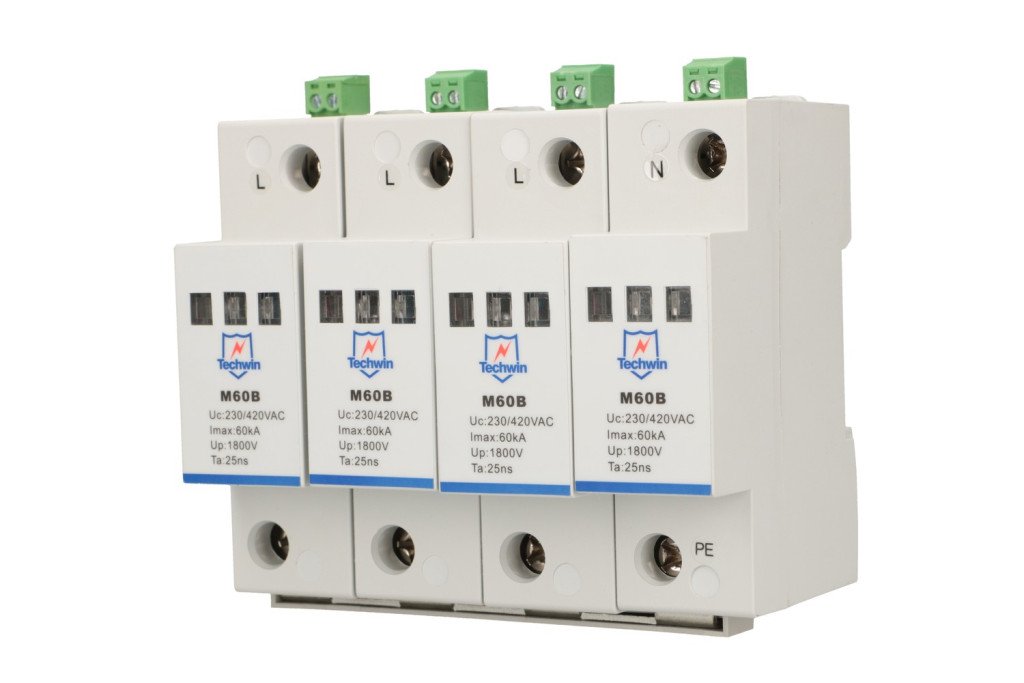
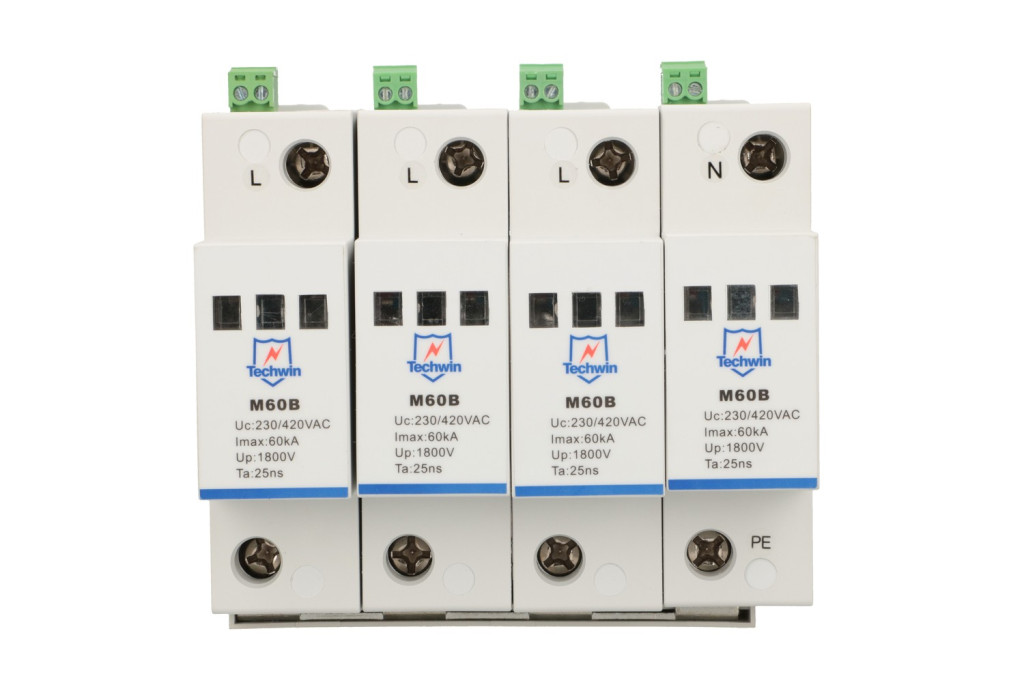
M60B4, surge protector, maximum 60 kA discharge current
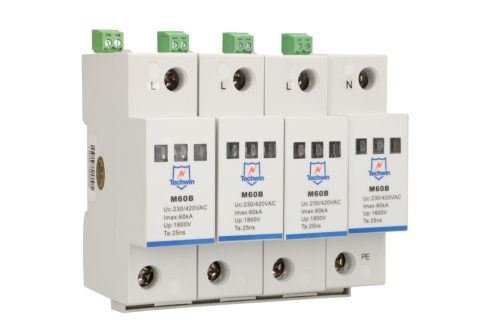
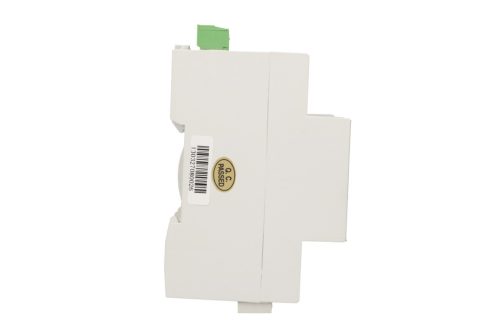
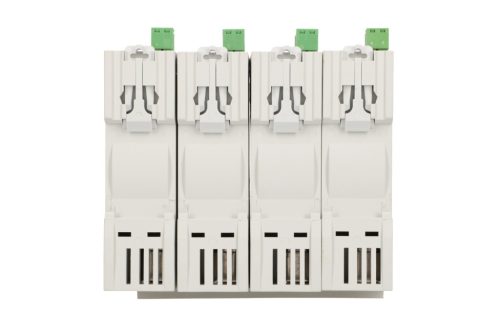
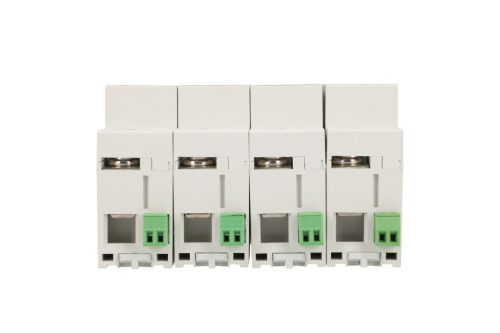
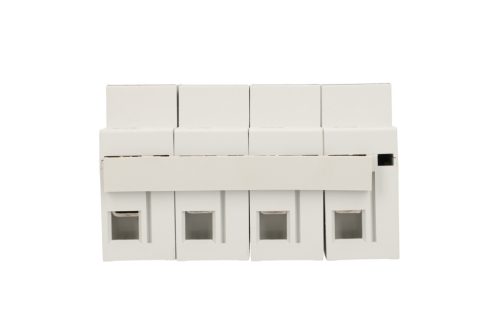
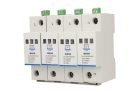
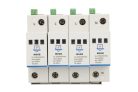
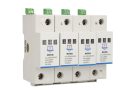
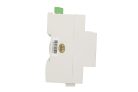
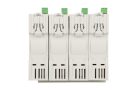
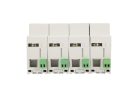
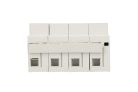
Professional surge protection up to 60 kA discharge current
The M60B4 surge protector provides reliable protection against lightning strikes, network disturbances, and switching surges. Designed for a maximum discharge current of 60 kA, this protection is an ideal choice for buildings, industrial facilities, and sensitive electrical equipment where network stability and device longevity are of utmost importance.
Why is surge protection important?
Surges occurring in the electrical network can cause significant damage: they can destroy electronic devices, lead to data loss, and cause downtime in industrial processes. A modern surge protection module:
- prevents the failure of electronic devices,
- reduces maintenance and replacement costs,
- increases the operational reliability of the network,
- provides protection against the indirect effects of lightning strikes.
Main features
This surge protection module is designed for high-performance lightning and surge discharge and is suitable for protecting low and medium voltage distribution networks. Its design allows for quick and safe response to sudden voltage spikes.
- Maximum discharge current: 60 kA
- Suitable for use in main distribution boards and sub-distribution boards
- Fast operation in case of short-circuit surges
- Reliable protection for sensitive electronic devices
- Compact design for electrical cabinets and distribution boards
Application areas
The device can be widely used wherever effective lightning and surge protection is needed. It is a good choice for home, office, and industrial environments as well.
- main distribution boards of residential buildings,
- electrical networks of office buildings, commercial buildings,
- industrial facilities and production lines,
- protection of IT and server rooms,
- security and telecommunications systems.
Operating principle in brief
In the event of a surge, the device directs the generated impulse current towards the grounding system, ensuring that only the appropriately limited voltage reaches the protected circuit. The discharge current capacity of up to 60 kA means that it can handle significant energy impulses, thus providing effective protection for devices connected to the network.
Benefits for the user
Using a surge protector reduces the risk of unexpected failures and increases the operational reliability of the electrical network. This is particularly important where expensive, high-value, or business-critical equipment is in operation.
- Increased device lifespan by dampening surge peaks,
- less downtime and production loss in industrial environments,
- increased safety during lightning activity,
- more stable, reliable power supply.
Installation and integration
The installation of the device is the responsibility of a qualified electrician, as it needs to be connected to the electrical distribution board. Proper installation ensures the appropriate level of surge protection and guarantees long-term, safe operation.
- De-energize the distribution board.
- Install the device on the DIN rail or designated location.
- Connect to the phase conductors, neutral conductor, and grounding system.
- System check and trial operation.
Using appropriately sized wires and adhering to standard grounding conditions is essential for effective surge protection.
Who is it recommended for?
This surge protection solution is recommended for anyone who wants to:
- ensure the protection of their home or business electrical network,
- value the long-term, reliable operation of electronic devices,
- reduce costs arising from lightning damage and network disturbances,
- look for an effective surge protector as part of a complex lightning protection system.
Summary
The surge protector rated for a maximum discharge current of 60 kA is an ideal choice for systems where lightning and surge protection is critically important. Due to its effective energy absorption, reliable operation, and wide applicability, this device can be a key element of any modern electrical distribution and protection system. Properly designed surge protection pays off in the long run, as it protects your equipment, reduces the likelihood of failures, and increases the operational reliability of the network.