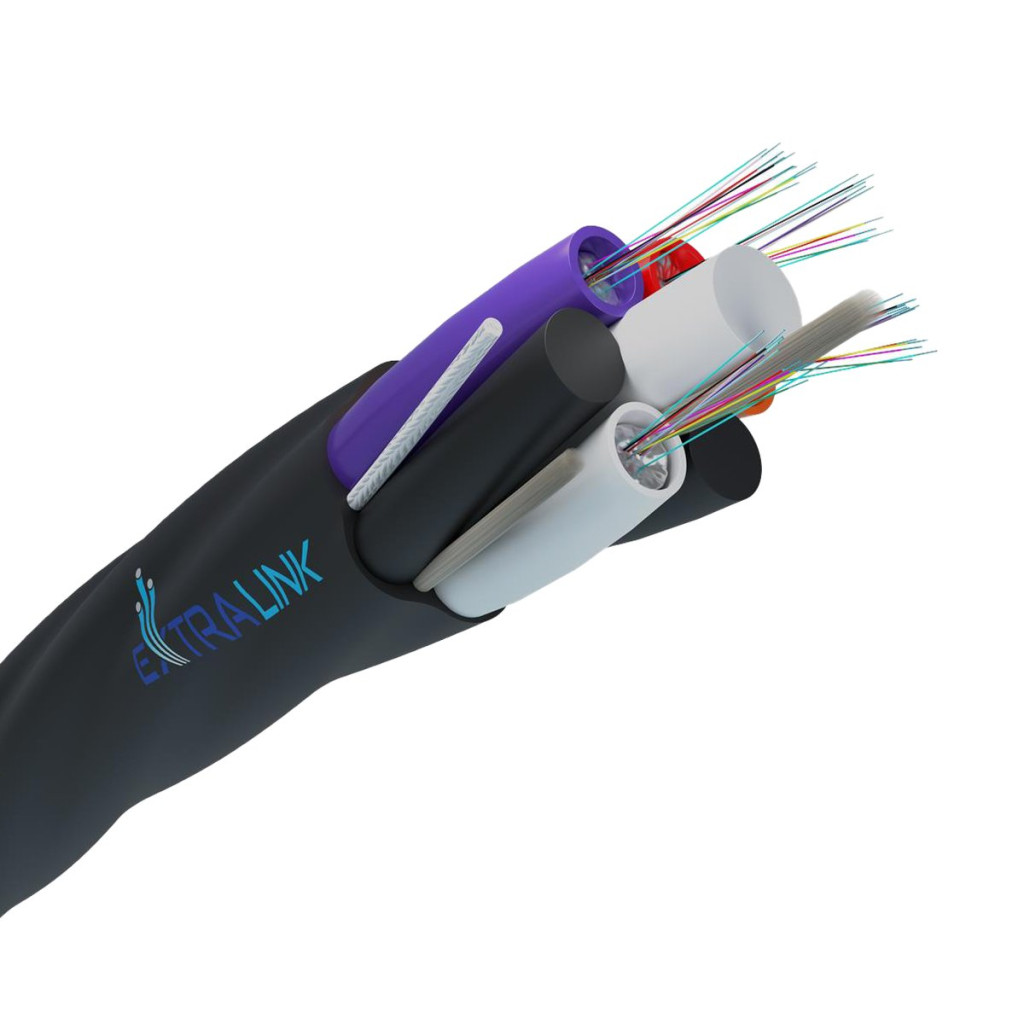
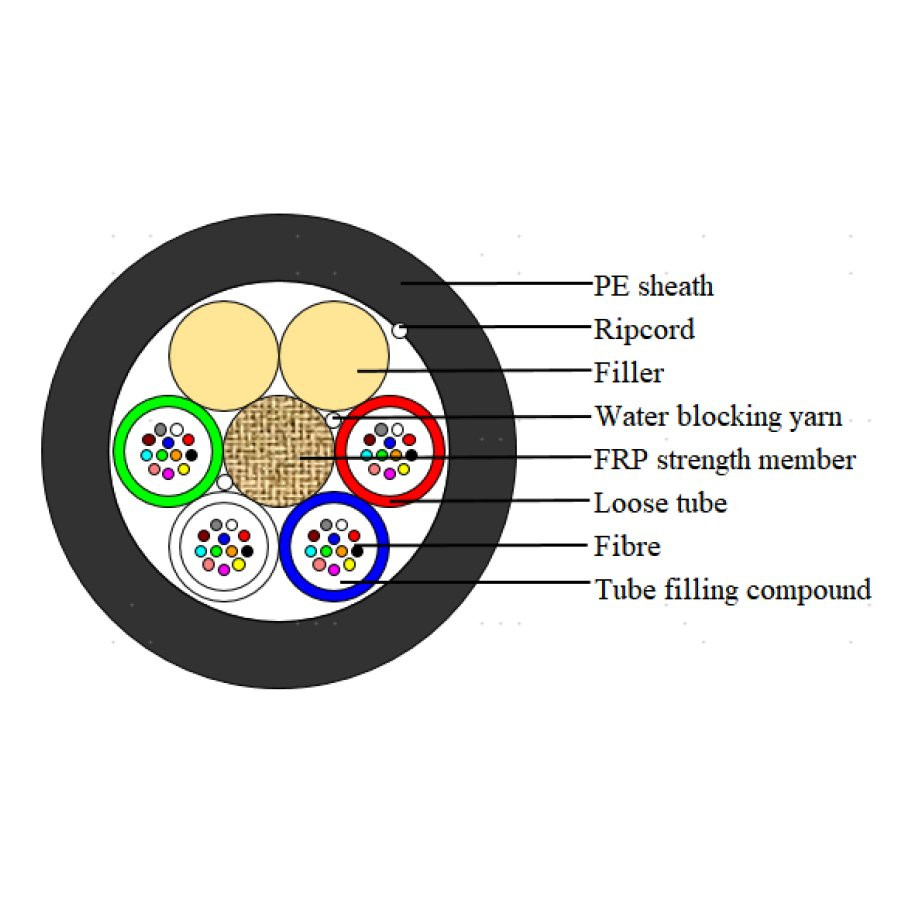
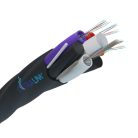
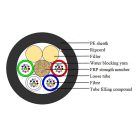
Optical cable suitable for microtubes, ZM-XOTKtsD 36F type, 36 fibers (3x12 fibers), G.652D, 5.4 mm, Extralink
Professional optical cable for microtubing networks
This 36-fiber, arranged in 3×12 bundles, G.652D standard optical cable is specifically designed for placement in microtubes. Its small, only 5.4 mm outer diameter and modern construction make it ideal for modern FTTH, FTTB, FTTx, and backbone applications where high-density yet flexible cabling is essential.
Applications
The product is versatile for building modern optical networks. It provides reliable performance in outdoor and microtubing systems, whether for new infrastructure or expanding existing networks.
- FTTH (Fiber to the Home) and FTTB (Fiber to the Building) systems
- Microtubing backbone networks and distribution networks
- Urban and industrial optical network expansions
- Telecommunications and data center connections
- Rural broadband internet access projects
Main technical features
The cable design prioritizes long-term reliability and ease of installation. The G.652D fibers provide stable optical parameters for most telecommunications and data transmission applications.
- Number of fibers: 36 optical fibers (3×12 fiber modules)
- Fiber type: G.652D, low-loss, single-mode glass fiber
- Outer diameter: 5.4 mm (compact, optimized for microtubes)
- Excellent bend tolerance with a narrow cable diameter
- Outer sheath: durable, weather-resistant, suitable for outdoor use
- Color-coded fibers and modules for easy identification
Benefits for network builders and operators
The optical cable design meets the needs of installers, designers, and operators. Its installation is quick, the signal transmission is stable, and maintenance is predictable.
- Compact size: the small outer diameter allows multiple cables to be placed in one microtube, increasing network capacity.
- High fiber capacity: with 36 fibers, multiple independent services or leased fiber connections can be established.
- Stable optical parameters: G.652D type single-mode fibers with well-known, standardized properties.
- Easy blowing: the construction tailored for microtubing technology facilitates blowing the cable over longer sections.
- Cost-effective network construction: the combination of high fiber capacity and small size reduces the need for tube infrastructure.
Advantages of G.652D fiber technology
The G.652D standard optical fibers are the most widely used single-mode fibers in telecommunications, which are excellent for long-distance signal transmission and modern WDM systems as well.
- Usable over a wide wavelength range (O, C, L band).
- Low loss, especially in the vicinity of 1310 nm and 1550 nm.
- Well manageable chromatic dispersion for most data transmission technologies.
- Widely available, standardized solution for compatibility.
Installation in microtubes
The cable design is optimal for microtubing installation technologies, where cables are blown into the pipe system using air or special equipment. This significantly reduces the amount and cost of excavation work.
- Excellent sliding properties on the inner surface of the microtube
- Low weight for easier blowing
- Small bending radius, facilitating routing
- Compatible with various standard microtube sizes
What to consider in design and installation?
When designing an optical network and selecting cables, it is advisable to determine the required fiber capacity, scalability, and operational reliability reserves in advance. The 36-fiber design flexibly adapts to future needs.
- Plan the distribution of microtubes and future expansion possibilities.
- Leave spare fibers for future services or redundancy.
- Use quality connectors, patch panels, and distribution boxes.
- Follow the recommended bending radius specifications.
- Document the color coding and fiber distribution for future maintenance.
Ideal choice for modern optical networks
This 36-fiber, G.652D standard optical cable for use in microtubes provides a reliable foundation for building high-speed, future-proof data transmission infrastructures. Its compact design, versatile usability, and excellent optical parameters make it suitable for internet service providers, corporate systems, and telecommunications operators alike.