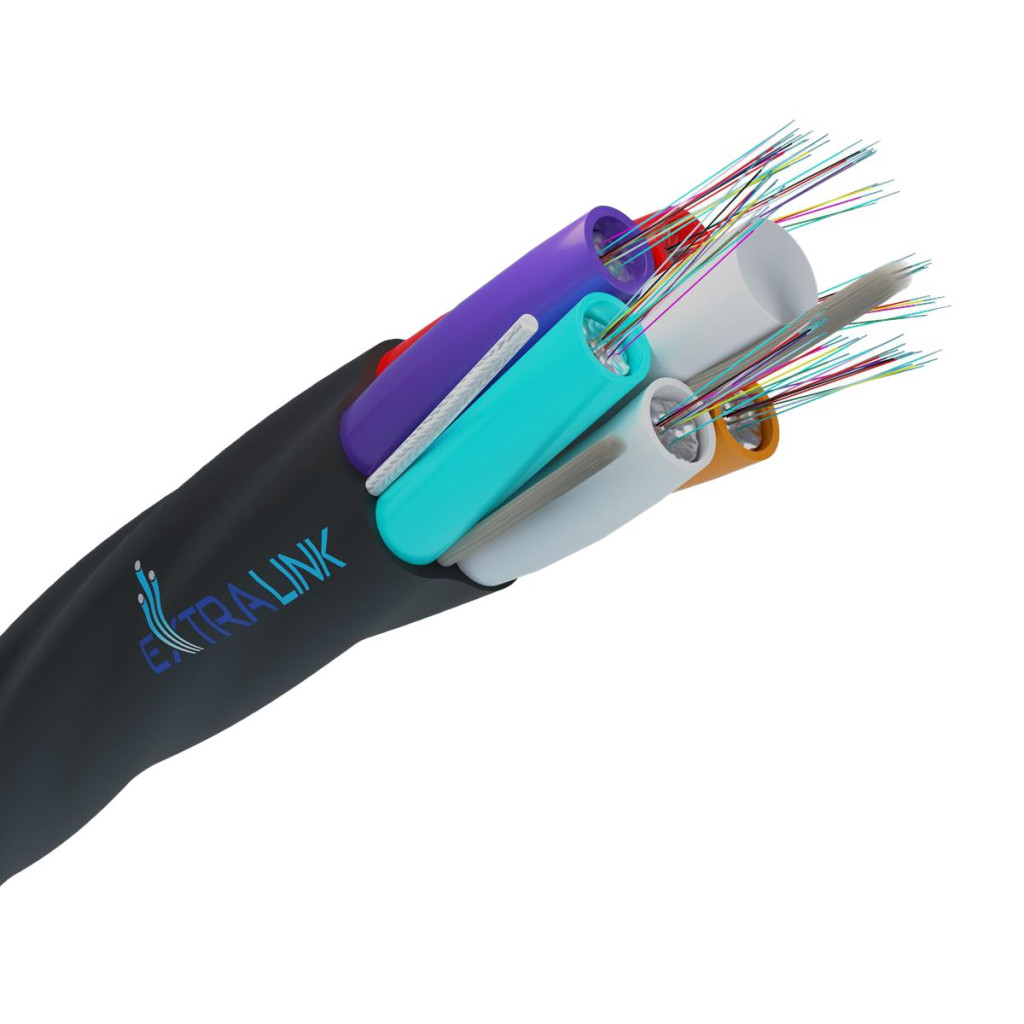
Optical cable suitable for microducts, ZM-XOTKtsD 72F, 72J (6x12J), G.652D type, 5.4 mm, Extralink
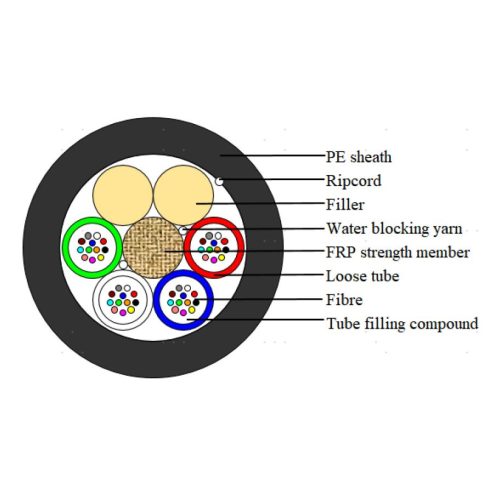
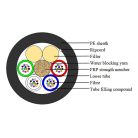
Microduct optical cable for professional network construction
This 72-fiber optical cable, specifically designed for microducts, is an ideal solution for building high-bandwidth, reliable, and durable data transmission networks. Thanks to its 5.4 mm outer diameter and compact design, it is excellently applicable in tight microtubes, along long paths, even with complex routing.
The G.652D standard fibers ensure modern, high-speed data communication with low loss and stable signal quality. This type of fiber is widely used in optical backbone networks, MAN, and FTTH systems, making it compatible with most telecommunications infrastructures.
Main features and benefits
- 72 optical fibers, arranged in 6 x 12 bundles for easier identification and management
- G.652D single-mode fibers with excellent parameters for long distances
- 5.4 mm outer diameter – optimized for microducts and microtubing systems
- Reliable data transmission in high-bandwidth optical networks
- Robust construction for outdoor applications, underground placement
- Easy blowing installation into microtubes
- UV and weather-resistant sheath for long lifespan
- Low loss and excellent signal quality
Applications
This microduct cable can be used in various optical network applications where high data capacity and stable operation are critical:
- Telecommunications backbone networks
- Urban (MAN) optical networks
- FTTH (Fiber To The Home) and FTTx solutions
- Corporate and industrial optical systems
- Camera systems, security networks
- Connections between data centers
Advantages of G.652D fiber technology
The G.652D single-mode fiber is one of the most widely used types in modern optical systems. Its design allows for low-loss signal transmission with reduced dispersion, enabling higher speeds and longer distances without the need for amplifiers.
- Low loss in the 1310 nm and 1550 nm wavelength range
- High data transmission capacity, suitable for gigabit and multi-gigabit connections
- Wide compatibility with telecommunications equipment
- Reliable, stable operation over the long term
Optimized for microduct installation
In microtubing systems, the cable is typically installed using blowing technology. The small diameter and smooth, durable sheath facilitate easy transport of the cable through the tubes, even over longer sections.
- Preparing and measuring the cable to the desired length
- Checking and cleaning the microducts
- Using a blowing machine to pull the cable into the duct
- End sealing, creating splice points and distribution cabinets
The appropriate installation technology ensures the protection of the cable, minimizes mechanical stress, and increases the lifespan of the network.
72 fibers – flexible scalability
The 72-fiber design allows multiple services, multiple customers, or redundant connections to run in parallel within a single optical cable. This is an ideal solution for providers, system integrators, and larger companies planning for the long term.
- Multiple independent optical channels in one cable
- Redundant backup fibers in case of failure
- Future expansion, activating new services without needing to lay new cables
- Flexible network design between buildings, sites, urban sections
Durable design for outdoor environments
The cable sheath is resistant to weather effects, UV radiation, and environmental stresses found in the soil. The robust construction provides protection against mechanical damage while maintaining flexibility, making installation and routing easier.
Placement in microducts provides additional mechanical protection, making this solution ideal for long-term, low-maintenance optical infrastructures.
Why choose this optical cable?
- Reliable solution for provider and corporate optical networks
- Optimized design for microtubing systems and blowing installation
- Modern G.652D single-mode fiber technology
- High fiber capacity (72 fibers) with flexible scalability
- Long lifespan, low maintenance costs
If you want to build a stable, high-performance optical backbone or access network through microduct systems, this cable is an excellent compromise between size, capacity, and durability.